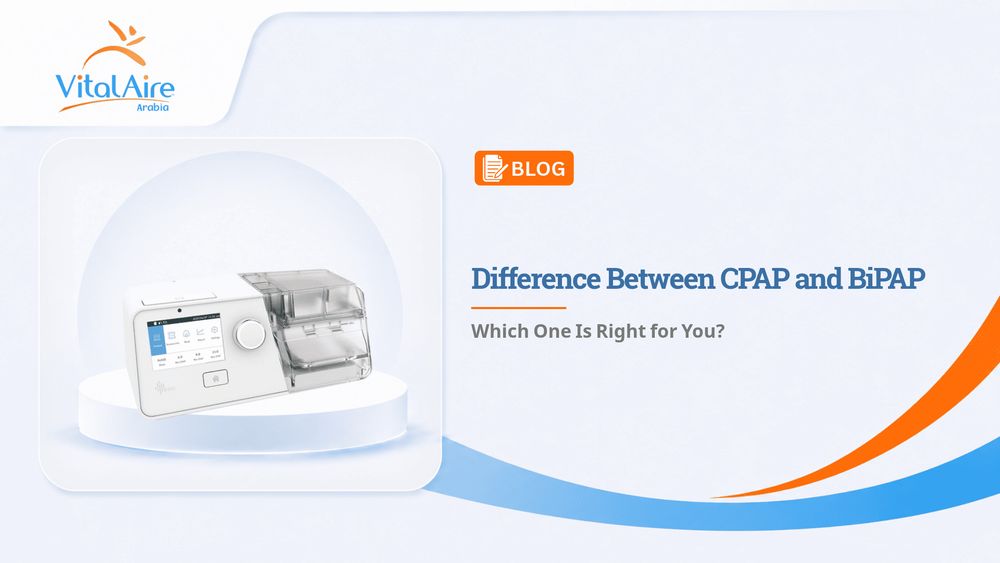
The difference between CPAP and BiPAP lies primarily in how each device delivers air pressure during inhalation and exhalation.
What Is a CPAP Machine?
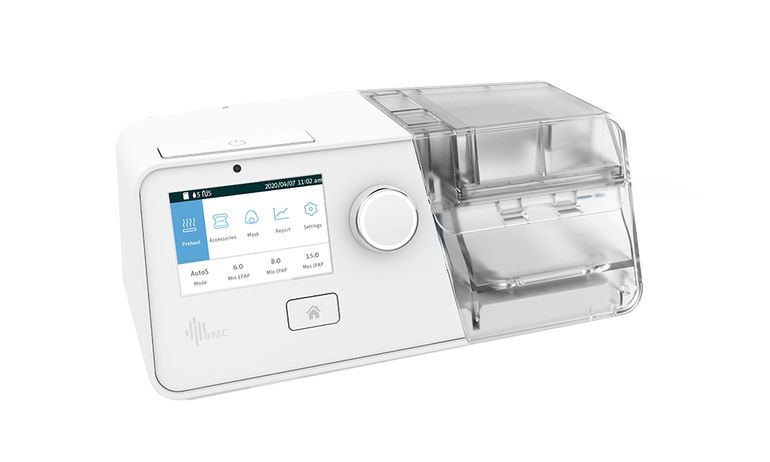
A Continuous Positive Airway Pressure (CPAP) machine delivers a steady level of air pressure through a mask covering the nose or both the nose and mouth.
CPAP machines are commonly used to treat obstructive sleep apnea (OSA) by keeping the airway open during sleep.
A typical CPAP machine includes an airflow generator, tubing, and a mask. Some models also feature a humidifier to reduce nasal and mouth dryness.
Most home CPAP machines are compact and designed for convenient bedside use.
What Is a BiPAP Machine?
A Bilevel Positive Airway Pressure (BiPAP) machine delivers two pressure levels: a higher pressure during inhalation and a lower pressure during exhalation.
This difference can make breathing more comfortable and provide additional ventilation support for patients with specific respiratory conditions.
BiPAP machines may be recommended for certain cases of respiratory failure, hypoventilation, or sleep apnea, depending on medical evaluation.
Explore sleep therapy devices and accessories available at Vitalaire Arabia.
Difference Between CPAP and BiPAP Machines
When comparing bilevel positive airway pressure vs. continuous positive airway pressure, the main distinction is how air pressure is delivered and the respiratory conditions each device is designed to manage.
Feature | CPAP | BiPAP |
Air pressure | One continuous pressure level | Two pressure levels for inhalation and exhalation |
Common use | Obstructive sleep apnea | Conditions requiring additional ventilation support |
Exhalation | Against the set pressure | Usually at a lower pressure |
Device selection | Based on sleep disorder diagnosis | Based on respiratory needs and medical evaluation |
When Is a CPAP Machine Used?
CPAP therapy is commonly prescribed for obstructive sleep apnea, a condition involving repeated airway narrowing or blockage during sleep.
Doctors may recommend CPAP for:
- Diagnosed obstructive sleep apnea.
- Sleep disturbances affecting daily activities.
- Maintaining an open airway during sleep.
- Long-term home treatment under medical supervision.
When Is a BiPAP Machine Used?
BiPAP may be recommended when patients require two pressure levels or additional ventilation assistance.
Common applications include:
- Certain COPD exacerbations involving respiratory failure.
- Respiratory problems associated with neuromuscular diseases.
- Obesity hypoventilation syndrome in selected patients.
- Specific sleep apnea cases requiring alternative pressure support.
The difference between CPAP BiPAP treatment approaches becomes particularly important when patients experience ventilation difficulties or cannot tolerate conventional continuous pressure therapy.
CPAP Machine Price vs. BiPAP Machine Price
Browse CPAP and BiPAP machines and check available prices at Vitalaire Arabia.
The difference between CPAP and BiPAP comes down to pressure delivery and medical purpose. CPAP provides continuous pressure and is commonly used for obstructive sleep apnea, while BiPAP offers two pressure levels for patients requiring specific respiratory support.
Choosing between these devices should always involve a healthcare professional who can assess your diagnosis, breathing requirements, and treatment tolerance.