Difficulty breathing or breathlessness (referred to medically as dyspnea) is the feeling of not being able to breathe normally or suffering from a shallow breath. It can occur during physical activity, at rest, or even sleeping.
Breathing difficulty is often a symptom of a problem. Its causes range from heart and lung diseases to psychological conditions and sleep disorders.
While it can be temporary, it sometimes indicates a serious medical condition requiring urgent attention.
This article explains the symptoms, causes, diagnosis, and treatment of shortness of breath, including when to seek emergency care.
What Is Breathlessness, and What Are Its Symptoms?
Breathlessness is the sensation of difficulty breathing in or out.
Here are some common symptoms of shortness of breath:
- Rapid breathing or a feeling of suffocation.
- Chest tightness or difficulty taking a full breath.
- Coughing or wheezing (high-pitched sound that occurs due to breathing difficulties).
- Difficulty speaking in complete sentences in severe cases.
- Occasional dizziness or heart palpitations.
What Causes Breathing Difficulties?
The causes of breathing difficulties vary depending on a person's health and can involve temporary conditions or chronic heart and lung diseases.
Reasons for Breathing Difficulty Without Physical Exertion
Shortness of breath at rest can result from asthma, anemia, pneumonia, heart failure, or chronic obstructive pulmonary disease (COPD). Sometimes, breathlessness occurs without an obvious cause; that is why persistent or recurring symptoms require medical evaluation.
Causes of Sudden and Intermittent Breathlessness
Sudden breathlessness can result from an asthma attack, severe allergic reaction, pulmonary embolism, or abnormal heart rhythm.
Intermittent shortness of breath can be associated with anxiety or heart and lung conditions.
Final treatment depends on the underlying cause and accompanying symptoms.
Breathing Difficulty Related to Heart and Respiratory Diseases
Heart failure can cause fluid buildup in the lungs, leading to breathing difficulties, particularly when lying down.
Respiratory conditions such as asthma and COPD can restrict airflow.
Can Stress and Psychological Disorders Cause Breathing Difficulty?
Stress and panic attacks can cause breathing difficulty by changing breathing patterns. Symptoms include difficulty taking a complete breath, frequent sighing, palpitations, and tingling sensations.
What Causes Breathlessness During Sleep?
Breathing difficulties during sleep may be associated with obstructive sleep apnea, nighttime asthma, or heart failure. Symptoms can include loud snoring, frequent awakenings, or feelings of suffocation.
What Causes Sudden Awakening With Shortness of Breath?
Sudden awakening with shortness of breath can happen due to several conditions. This symptom is sometimes described as paroxysmal nocturnal dyspnea (PND), which refers to sudden shortness of breath that awakens a person from sleep, often after a few hours.
Possible causes of nighttime breathlessness include sleep apnea, nighttime panic attacks, and certain heart conditions, particularly heart failure. Repeated episodes require medical evaluation to determine the cause.
Explore sleep apnea devices and respiratory care solutions at Vital Shop!
How Can You Distinguish Between Heart-Related, Lung-Related, and Anxiety-Related Breathing Difficulties?
- Heart-related breathlessness can occur with leg swelling or difficulty breathing while lying down.
- Lung-related conditions can cause coughing or wheezing,
- Anxiety-related breathlessness can involve stress, palpitations, and rapid breathing.
However, these symptoms alone cannot establish a diagnosis.
When Is Difficulty Breathing a Medical Emergency?
Seek emergency medical assistance if breathing difficulty is severe or sudden, especially when accompanied by chest pain or pressure, fainting, confusion, bluish lips, or difficulty speaking.
What Should You Do If You Experience Breathing Difficulty?
Stop physical activity, sit upright, and avoid smoke or irritating odors. If you have prescribed respiratory medication, use it according to your doctor's instructions.
What Are Safe Ways to Relieve Difficulty Breathing at Home?
Managing breathing difficulties at home depends on its cause. Sitting comfortably with supported arms and practicing slow, pursed-lip breathing may help some people.
However, these techniques do not treat every underlying condition. Identifying the cause is essential for appropriate treatment.
Never delay emergency care to try home remedies.
When Should You Call an Ambulance Instead of Trying Home Treatment?
Call emergency services if you experience severe or sudden breathing difficulties, chest pain, fainting, or bluish lips. Do not attempt home treatment when these warning signs appear.
How Are the Causes of Breathing Difficulties Diagnosed?
Doctors review symptoms and medical history, examine the heart and lungs, and measure oxygen saturation.
Additional tests may include blood tests, chest X-rays, electrocardiograms (ECGs), and pulmonary function tests. A sleep study may be recommended if a sleep-related breathing disorder is suspected.
What Are the Treatments for Breathlessness and Chest Tightness?
Treatment depends on the underlying cause and may include asthma medications, infection treatment, heart medications, or oxygen therapy in specific cases under medical supervision.
There is no single treatment suitable for everyone, and medications should not be taken without appropriate medical guidance.
How Can CPAP and BiPAP Devices Help in Certain Cases?
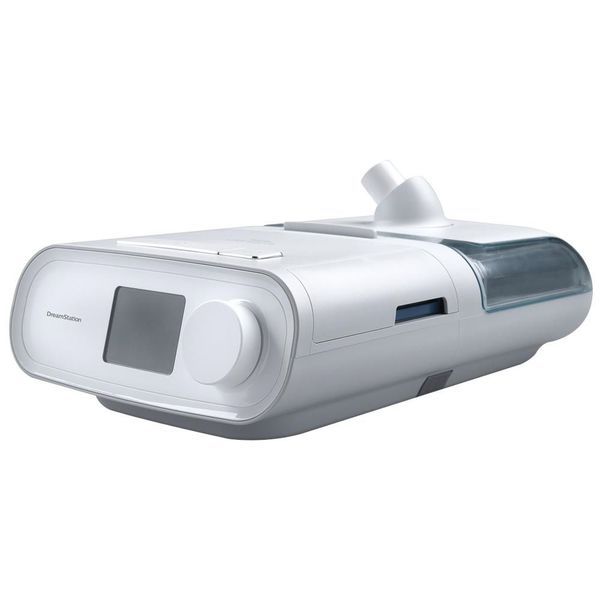
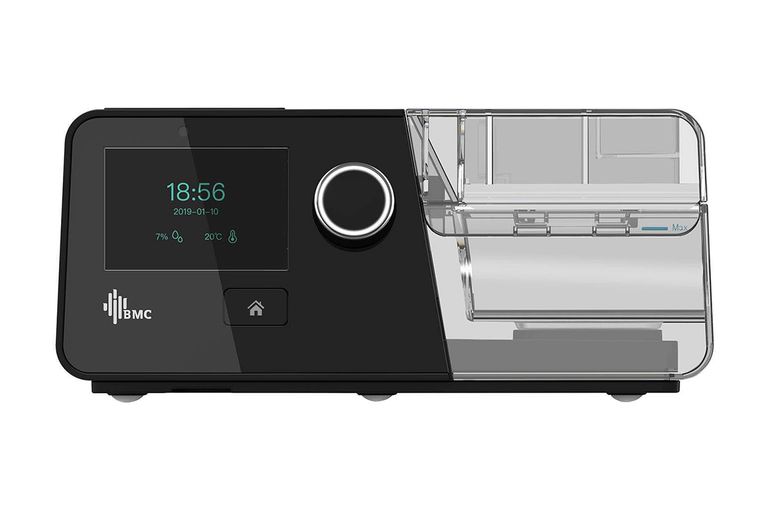
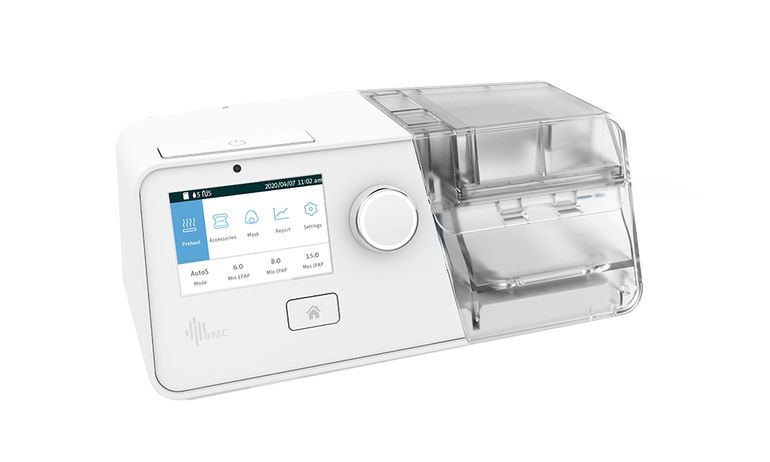
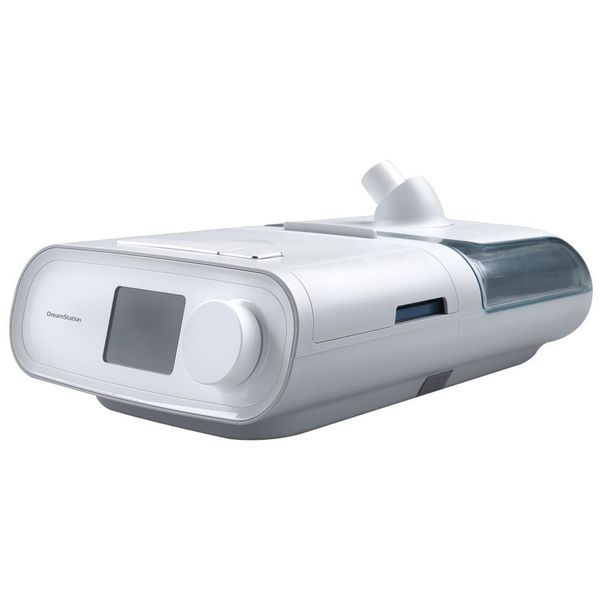
CPAP (Continuous Positive Airway Pressure) delivers constant positive air pressure to keep the upper airway open during sleep. It is commonly used to treat obstructive sleep apnea.
BiPAP (Bilevel Positive Airway Pressure) provides different pressure levels during inhalation and exhalation. It may support ventilation in certain conditions involving inadequate breathing.
Managing breathing difficulties requires identifying its cause, following prescribed treatment, and avoiding factors that worsen breathing difficulties. Respiratory devices may help in specific cases under medical supervision. Severe symptoms, particularly those accompanied by chest pain or fainting, require immediate emergency assistance.
Browse CPAP and BiPAP devices and accessories at Vitalaire Arabia Store.
Frequently Asked Questions
How Can I Tell If My Breathlessness Is Not Heart-Related?
Symptoms alone cannot reliably rule out a heart condition. Heart disease, lung disorders, and anxiety can produce similar symptoms, making medical evaluation necessary.